
Bambu Lab · 3D printers
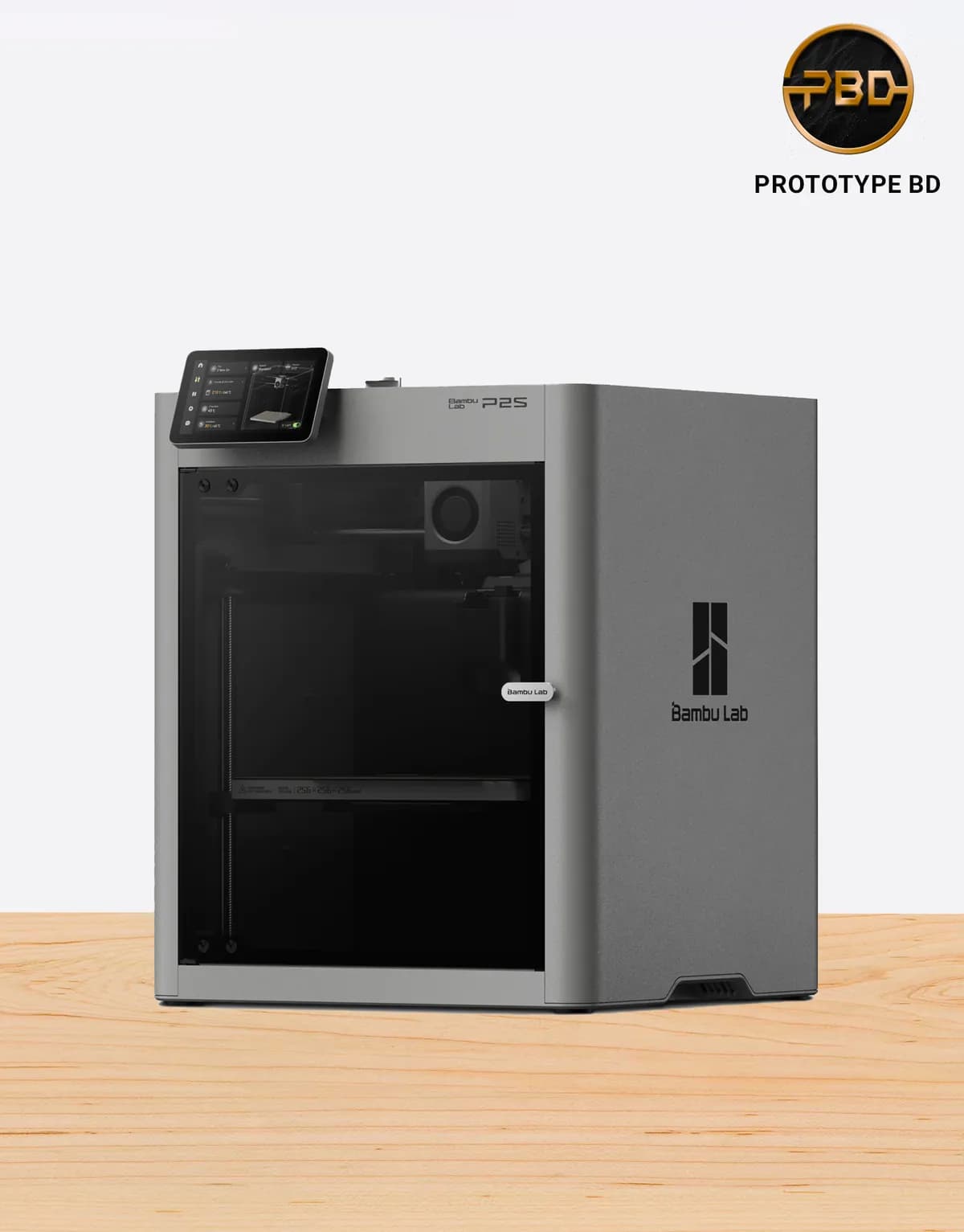
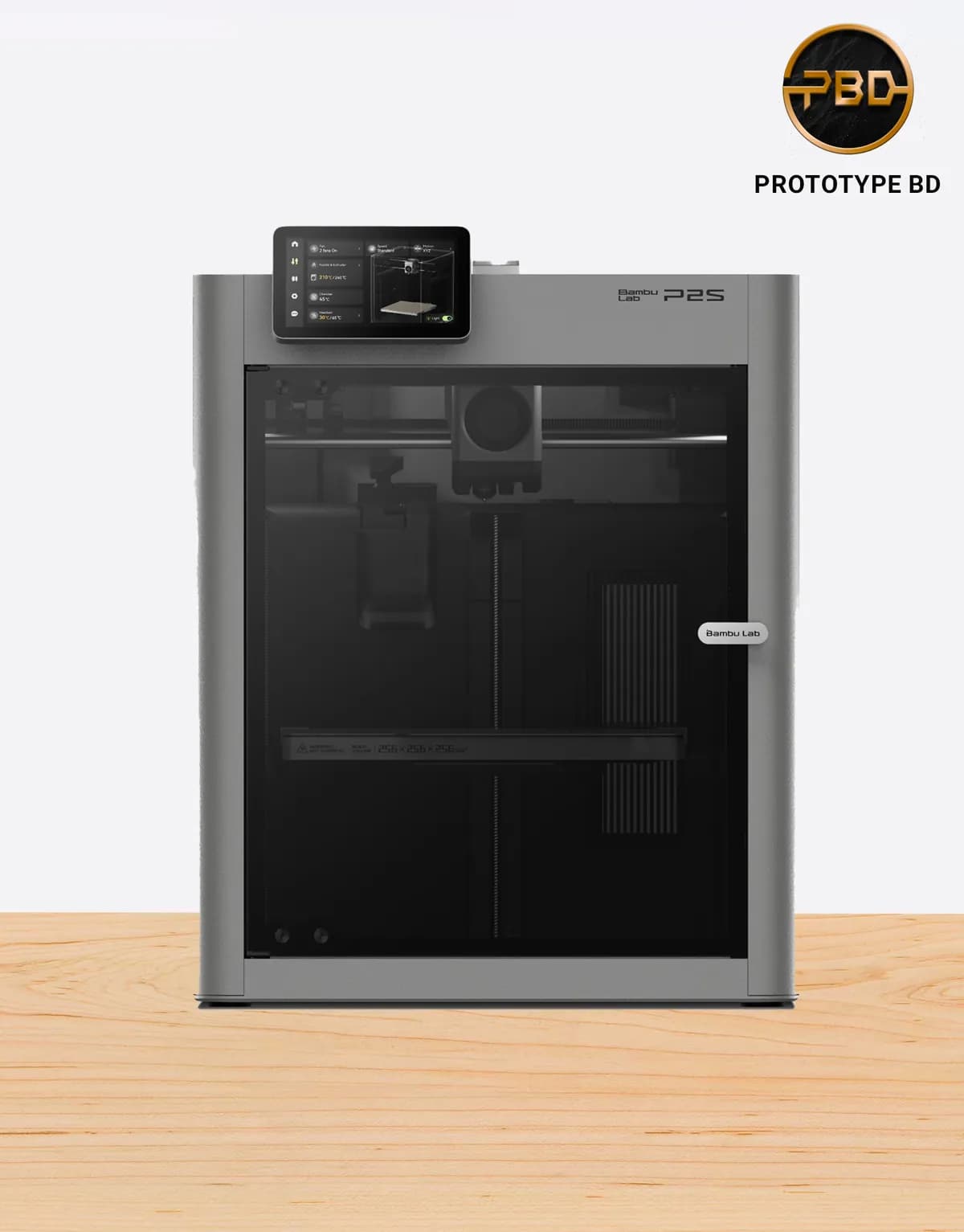
Bambu Lab P2S 3D Printer
Archived product information
This product is not currently listed for sale at PrototypeBD. This page keeps the description from our previous website, first published on and last updated on . Prices, stock, delivery times, warranty terms and offers mentioned in it are out of date and do not apply.
Listings combined on this page
Our previous website had these as separate listings sharing the description below. Region versions and bundles (such as Combo sets) can differ in what is included; treat each listing as its own configuration.
- Bambu Lab P2S 3D Printer
- Bambu Lab P2S Multicolor 3D Printer (Global UK Version)
Product Features
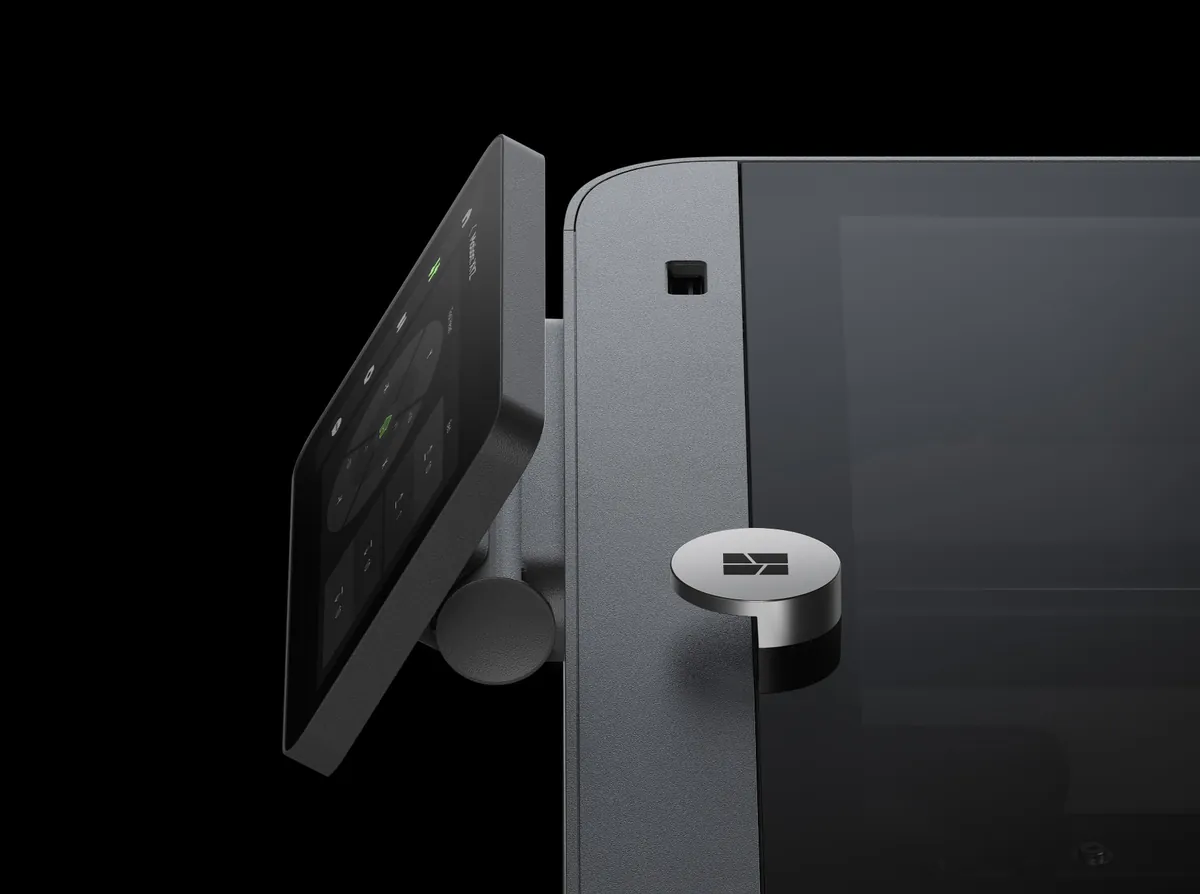
- 5-Inch Touch Screen
- AI Failure Detection
- Auto Flow Dynamics Calibration
- Supported Multi-Color Printing (Need to purchase AMS Seperately)
- Cold-Air Cooling
- Active Venting Filament Drying
- 256*256*256 mm³ Print Volume
Original description
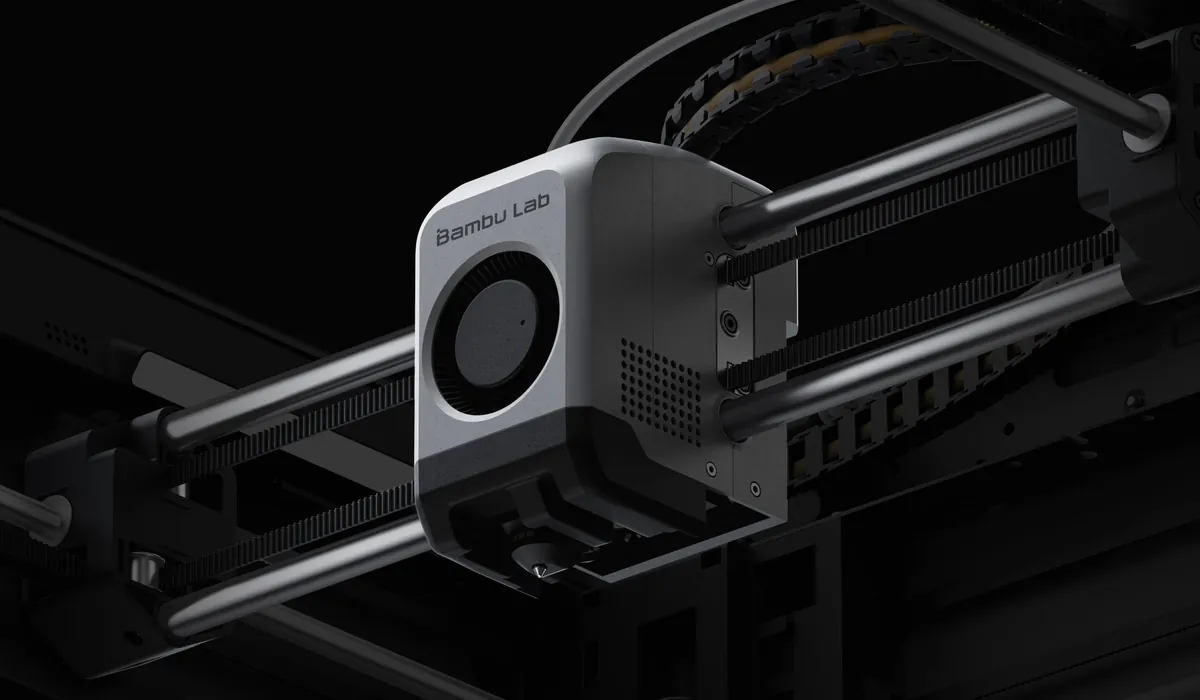 Bambu Lab P2S: The New Bang-for-Your-Buck King is Here
Bambu Lab has just dropped their latest 3D printer release: the P2S. This is a significant refresh of the incredibly popular P1S, which, for a long time, was the gold standard for an affordable, enclosed 3D printer. This new model is a game-changer. It not only builds on the P1S's success but introduces features that make the flagship X1 Carbon model virtually obsolete. If you're looking for an upgrade or your first serious 3D printer, the P2S demands attention.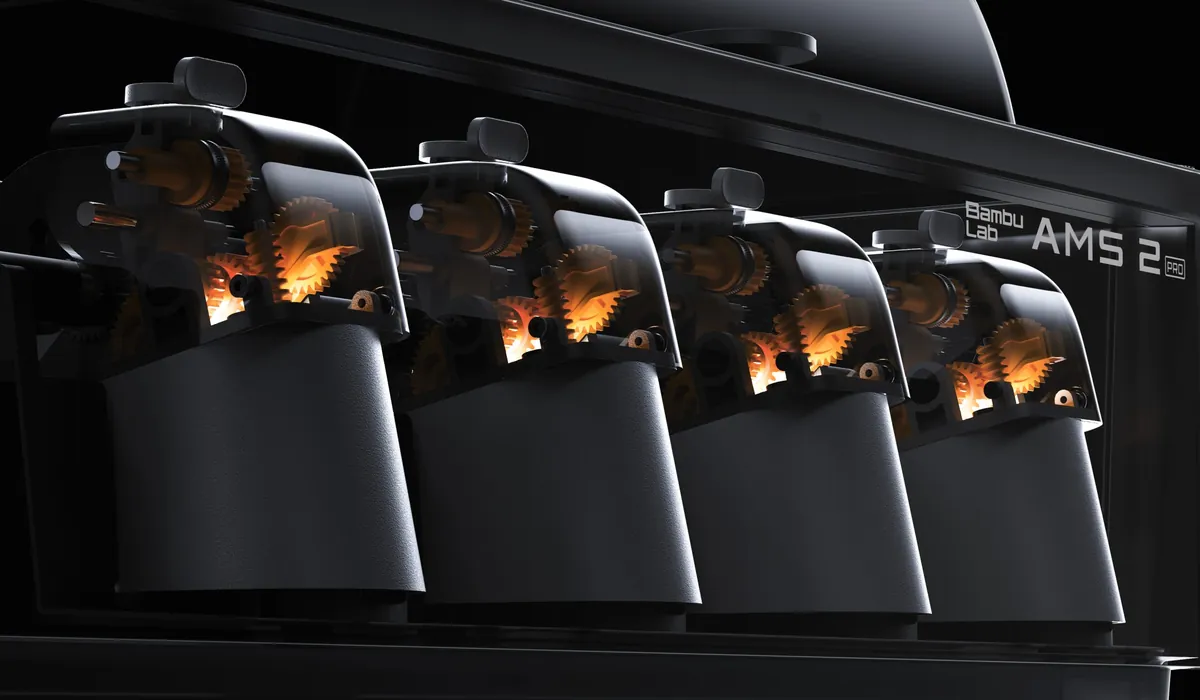
P2S Key Features & Upgrades
The P2S isn't a revolution, but a masterclass in refinement and convenience. Bambu Lab focused on fixing every minor inconvenience, making the printing experience seamless.| Feature Category | P2S Upgrade & Specification | Benefit for You |
| Performance | 300∘C Hardened Steel Hotend with Quick-Swap Nozzles | Print abrasive filaments (like Carbon Fiber) right out of the box without changing parts. No cable unplugging needed for swaps. |
| User Interface | 5-inch Responsive Touchscreen | Replaces the old dot matrix screen, providing a modern, smooth user experience and the second-gen UI. |
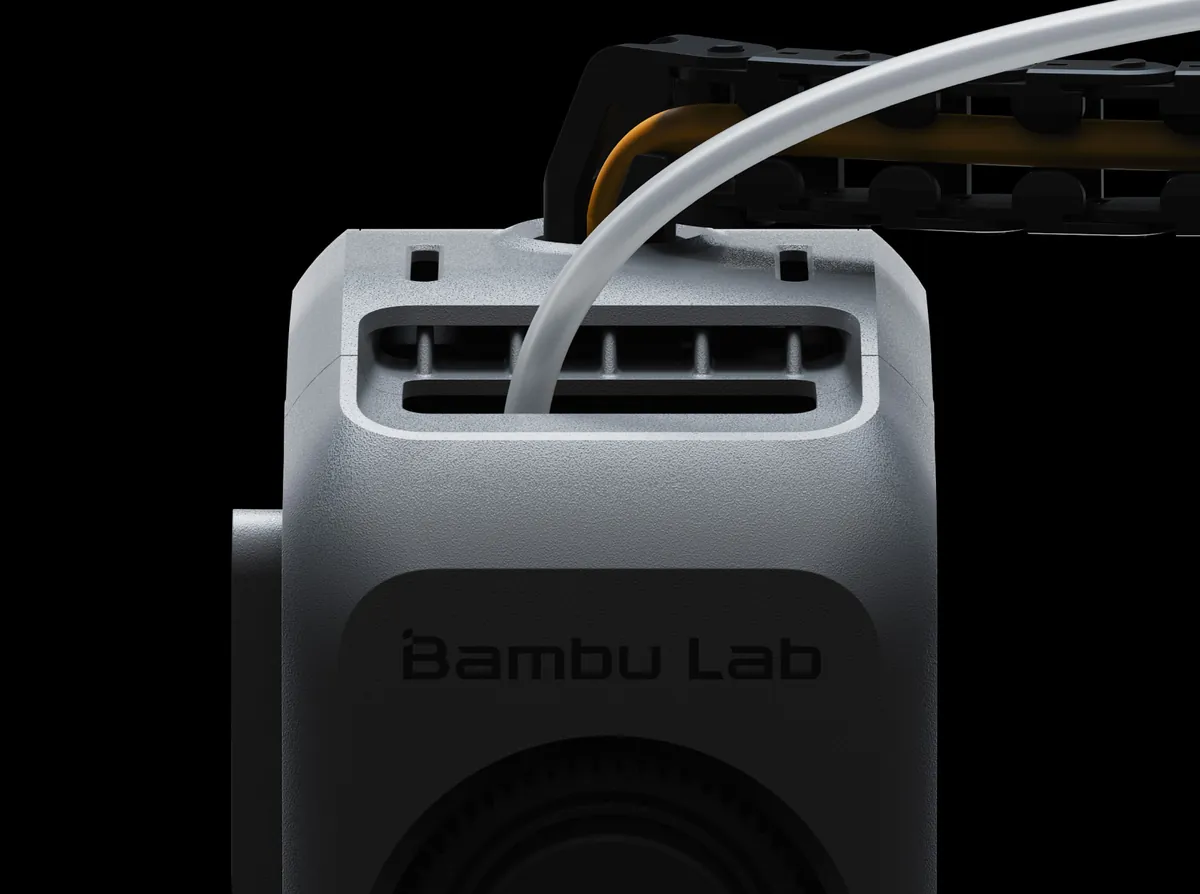
| Material Handling | Side-Mounted Spool Holder & Dual-Input Filament Buffer | Easier loading for spools that don't fit the AMS. Seamless switching between the AMS and an external spool. |
| Structure | Steel Guide Rods | Replaces carbon fiber for enhanced durability and longevity without sacrificing the rapid print speeds and acceleration you expect. |
| Monitoring | Full HD Camera with AI Spaghetti Detection & Dual LED Bars | Clearer print monitoring, better low-light visibility, and automatic detection of print failures (can be tuned/disabled). |
| Build Plate | Retractable Filament Cutter Actuator & Plate Detection | Maximizes the 256×256×256 mm print volume and ensures the correct plate profile is used. |
The Smartest Cooling System in its Class
One of the P2S's most innovative features is its thermal management system for the enclosed chamber:- PLA/PETG Printing: A large side fan draws cool, fresh air into the chamber, preventing the chamber from overheating—a common issue when printing PLA in enclosed units.
- High-Temp Materials: For materials like ABS or Polycarbonate, a flap closes the fresh air vent, and the printer recirculates air through a rear Carbon Filter, reducing VOCs, particulates, and odors while maintaining internal temperatures around 50∘C (when the bed is at 100∘C).
Why the P2S is a Better Value than the X1 Carbon
With the P2S incorporating the touchscreen, hardened steel hotend, and full-featured camera—features that previously set the X1 apart—the P2S offers an undeniable advantage. The P2S is the modern, superior value proposition. If you were considering the X1 Carbon, the P2S offers comparable performance and enhanced convenience features at a better price point. The X1's main remaining advantage is its 120∘C bed, which is only necessary for the most demanding engineering materials.
The Bambu Ecosystem: Seamless Experience
Bambu Lab is often called the "Apple of 3D printing" for a reason. They offer a tightly integrated ecosystem where the printer, slicer (Bambu Studio), and mobile app (Bambu Handy) work flawlessly together.- For the Hobbyist: If you want a medium-sized, enclosed machine that delivers consistent, high-quality results with minimal hassle (a "fire-and-forget" tool), the P2S is the best option on the market today.
- A Solid Choice for New Users: If you're new to 3D printing, the convenience and reliability of the P2S make it an excellent first machine that will allow you to focus on your projects, not your printer.
10 Questions and Answers for a Bangladeshi Buyer
| # | Question | Answer |
| 1 | Why is the P2S better than previous 'King of Value,' the P1S? | A: The P2S incorporates key features from the X1 Carbon and H2D models, including a Touchscreen Display and the Hardened Steel Hotend with Quick-Swap Nozzles as standard. This means better user experience and immediate compatibility with abrasive materials (like Carbon Fiber PLA) right out of the box, offering superior value. |
| 2 | Can the P2S handle the multi-color printing popular in Bangladesh? | A: Yes. The P2S is fully compatible with the AMS system (including the new AMS 2 Pro with drying function). You can connect up to four AMS units for up to 16-color printing in one project, perfect for intricate models and design prototypes. |
| 3 | Is the P2S suitable for printing engineering materials like ABS/ASA in Bangladesh's climate? | A: Absolutely. As an Enclosed Printer with a 110∘C Heated Bed and an Adaptive Airflow System, the P2S manages chamber temperature effectively. The enclosure and smart ventilation help reduce warping, which is essential for printing high-temp materials like ABS, ASA, and Nylon. |
| 4 | How does the P2S address print failure, saving time and filament cost? | A: The P2S features an AI-powered Full HD Camera with Spaghetti Detection. If a print fails early, the AI can alert you and potentially stop the print, saving expensive filament and preventing long, wasted print jobs—a significant cost-saver in Bangladesh. |
| 5 | Is maintenance easy, considering local support availability might be limited? | A: Yes, the P2S is designed for convenience. It features the Quick-Swap Nozzle System (no unplugging cables) and a simplified structure with Smooth Steel Rods (easier to clean than carbon rods). Its modular design means common part replacements are guided by Bambu Lab's detailed online documentation. |
| 6 | Given the voltage fluctuations in Bangladesh, how stable is the P2S? | A: Like all Bambu Lab printers, the P2S uses a high-quality internal power supply designed to be robust. However, as with any sensitive electronic equipment, using a UPS or a high-quality surge protector is highly recommended to protect your investment from local power instability. |
| 7 | Can the P2S print with third-party filaments easily, or am I locked into Bambu Lab filaments? | A: The P2S accepts standard 3D printer filaments from any brand. While Bambu Studio and their AMS system are optimized for Bambu filaments, the Hardened Steel Nozzle makes it highly versatile for any material, including locally sourced PLA, PETG, or specialty filaments. |
| 8 | How does the new Dual-Input Filament Buffer help a Bangladeshi user? | A: The buffer now has two inputs by default, eliminating the need to physically swap PTFE tubes when switching between the AMS and an external spool. This saves significant time and effort, making the workflow much smoother for users who frequently switch between multi-color AMS jobs and large single-color spool prints. |
| 9 | Is the P2S fast enough to be a profitable tool for a small 3D printing service or startup? | A: Absolutely. The P2S maintains the high-speed Core-XY architecture (up to 600 mm/s) that Bambu Lab is famous for. Its high reliability and rapid printing speed mean a higher throughput of finished parts per day, directly increasing the profitability of a local print service or product development cycle. |
| 10 | Why is the Touchscreen a big deal over the P1S's small display for local users? | A: The larger 5-inch Touchscreen provides a richer interface, similar to a smartphone. It offers clearer diagnostics, easier control, and a much better live view feed from the internal camera, improving the overall user experience and making local operations significantly more convenient and less dependent on a mobile app or PC. |